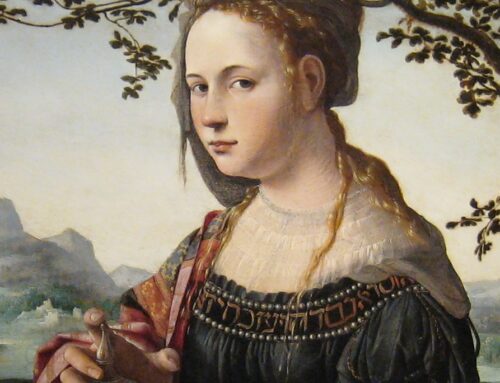
Rulers pose in full costume, or on the battlefield, winding forest paths lead into romantic nature, in bourgeois interiors people read, muse, pose. People rich and poor seek the sometimes dangerous beach, while cows and sheep graze peacefully on a lush meadow or in the moors. When you think of Dutch art, not only the century of Rembrandt was a great heyday. The 19th century also saw high productivity and versatility in the artistic field. Rooms full of this can be discovered on a tour of the Rijksmuseum.
From Waterloo to the Hague School of painting
At the beginning of the century, the Dutch Kingdom came into being. Fom this period the Rijksmuseum owns a few respectable portraits of important leaders such as King William I of the Netherlands and Louis Napoleon, brother of the equally represented Emperor Napoleon and, as King of Holland, quasi forerunner of William I. Life-size portraits, meant to convince us of the authority of these men. On the first floor of the Rijksmuseum, these portraits are accompanied by very the largest painting in the collection: the Battle of Waterloo by Jan Willem Pieneman.
Citizens and peasats
Civic and less political subjects are also popular, and we get detailed glimpses into the bourgeois world of the 19th century. Everyday genre scenes and landscapes are often indebted to Dutch art of the 17th century. The landscape remains an important subject in painting and one of its most successful representatives in this genre was born in Zeeland: the painter Barend Cornelis Koekkoek, who subsequently became a celebrity and even progenitor of a veritable dynasty of painters just across the border in Kleve (Cleves).
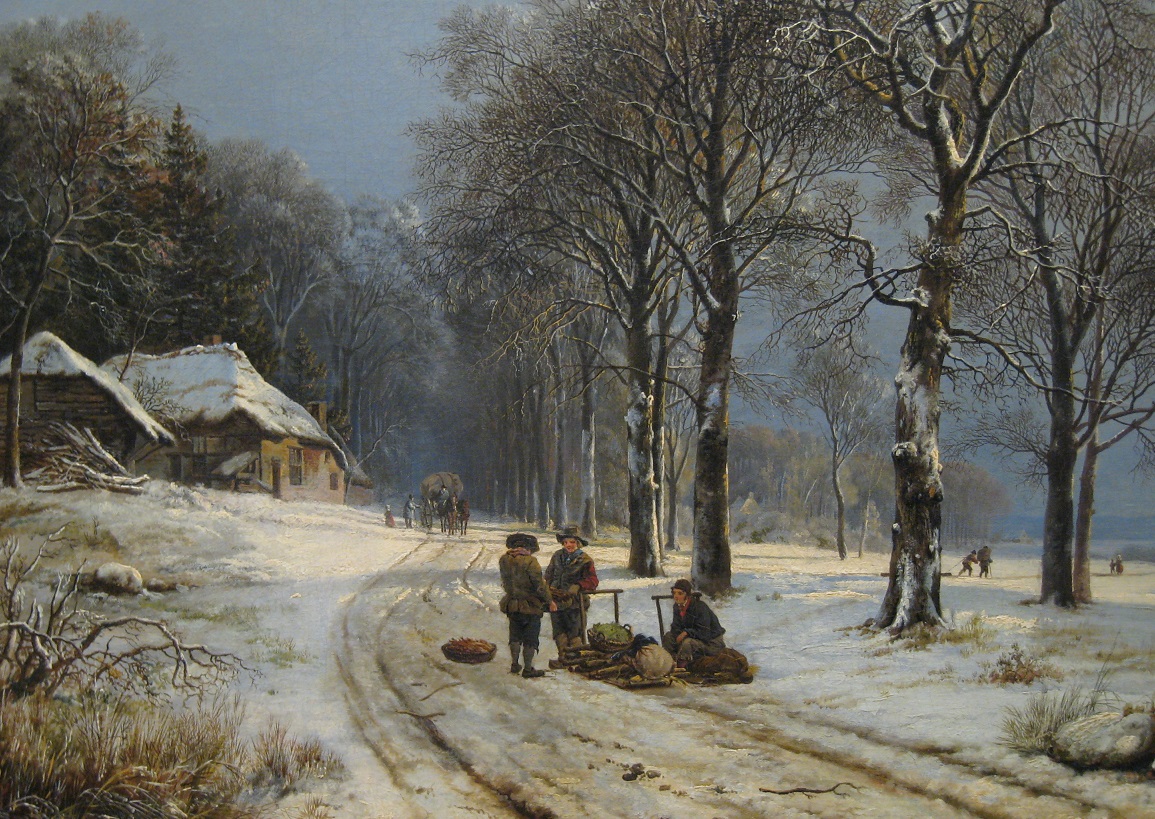
A landscape in winter, detail from a painting by Barend Cornelis Koekkoek, 1835-1838, Rijksmuseum Amsterdam.
However, not everyone had the opportunities to play music in a well-furnished bourgeois nest, complete sewing jobs and look at beautiful works of art on the wall or in albums. Artists in the 19th century also began to take an interest in the living conditions of people who were less well off. Realism as a movement in the visual arts emerged and painters turned their attention to the simple folk who had to earn a living by hard toil in the fields or on the coast.
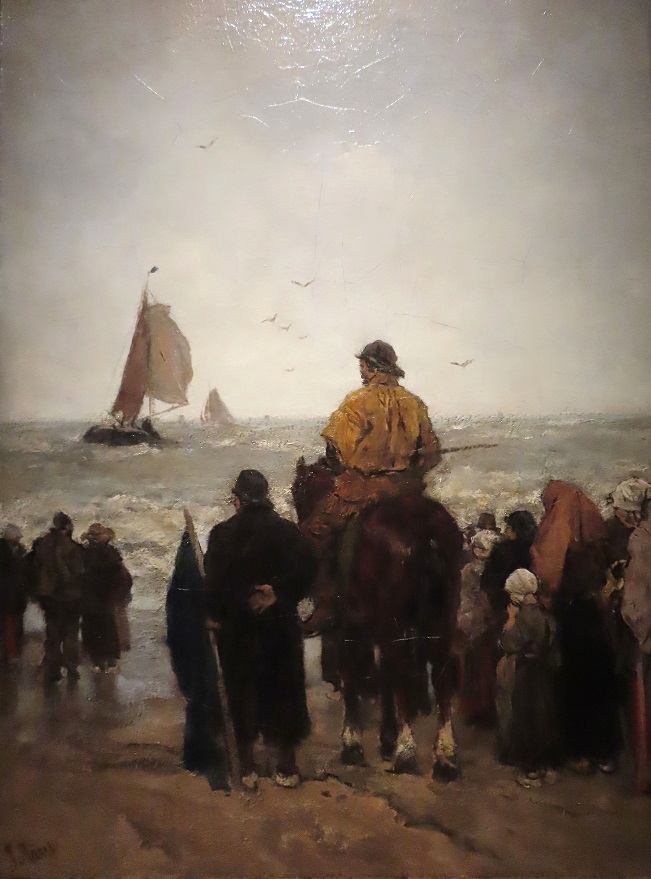
Jacob Maris, Arrival of the boats, painting of 1884 in the Rijksmuseum Amsterdam.
The Hague School, landscapes and cityscapes
Partly inspired by developments in France – think of the influential so-called Barbizon School – a new movement in landscape painting emerged around the second half of the 19th century: Artists went into nature and recorded impressive places on the spot. The tour also takes a look at this important development in painting. In the Netherlands, this gave rise to the Hague School, a group of painters who also created many landscapes and were certainly not only active in The Hague and its surroundings. These works often feature broken tones and grey Dutch skies, even though we should not lump all painters from this movement together. The interest in the simple life laid the groundwork for painters from this generation to also explore hitherto lesser-known areas of the Netherlands – places like Oosterbeek and Wolfheze, Scheveningen, Laren or Katwijk, which were perceived as particularly picturesque.
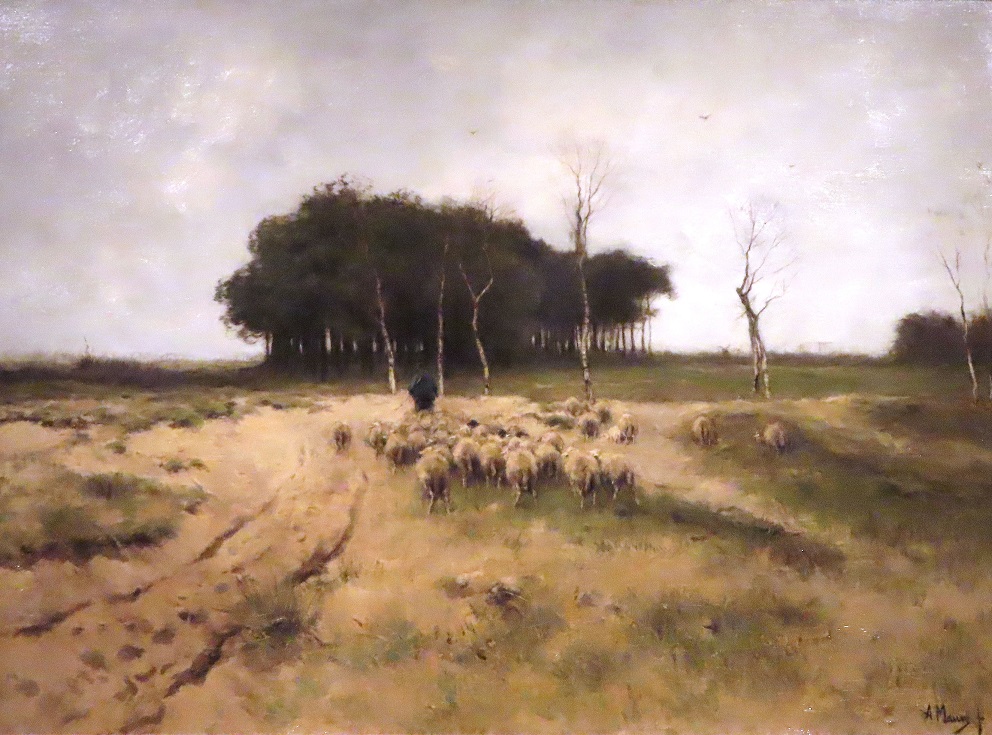
Anton Mauve, flock of sheep on the heath near Laren, 1887, Rijksmuseum Amsterdam.
An expressive young generation: Breitner, Isaac Israels, Van Gogh
The nestor of the Hague School is considered to be Jozef Israëls, already highly esteemed in his own time. Besides him, Anton Mauve, the Maris brothers and Hendrik Willem Mesdag are considered well-known representatives of this group of realists, plein-air painters, impressionists in Dutch art. The next generation would produce more expressionist artists such as George Hendrik Breitner and Isaac Israels, both loved today by connoisseurs of Dutch art.

From this view of ships in the ice, George Hendrik Breitner 1901 created a symphony of vertical lines and colour accents.
And eventually Vincent van Gogh also joined the ranks of leading Dutch painters, even if he had to wait for his recognition until after his death and until his sister-in-law Jo Bonger with unfailing energy brought his work to the attention of a wider audience.
Often – as traditionally – they were men, who chose the profession of artist. But there were also a few exceptional women in the Netherlands in the 19th century, who made a name for themselves as painters. The most famous among them is probably Therese Schwartze, an exceptionally talented portrait painter, who also received commissions from the royal court.
A guided tour in the Rijksmuseum along a varied century
During this tour in the Rijksmuseum we will review the development of art in the Netherlands in the 19th century and discuss some highlights of 19th-century painting.
Usually the halls of 19th-century art at the Rijksmuseum are quieter than for example the Gallery of Honour. Therefore it is often easier to feast our eyes in peace and quiet here. Take advantage of this and book your guided tour of nineteenth-century Dutch art at the Rijksmuseum soon!
Date and time by appointment.
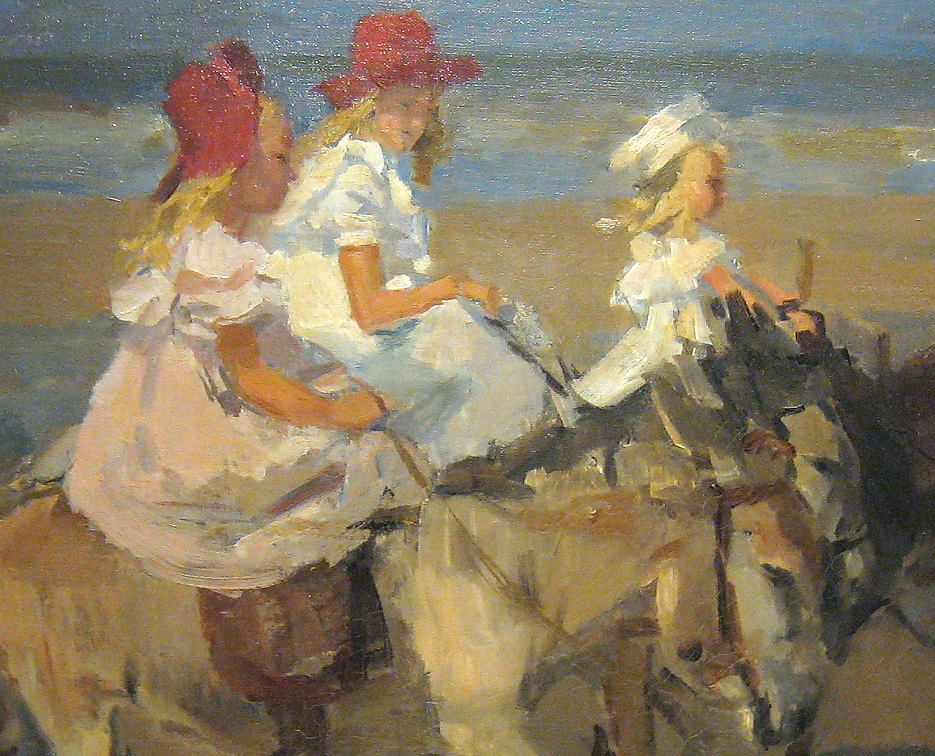
Donkey Rides on the Beach, painting by Isaac Israels, Amsterdam, Rijksmuseum
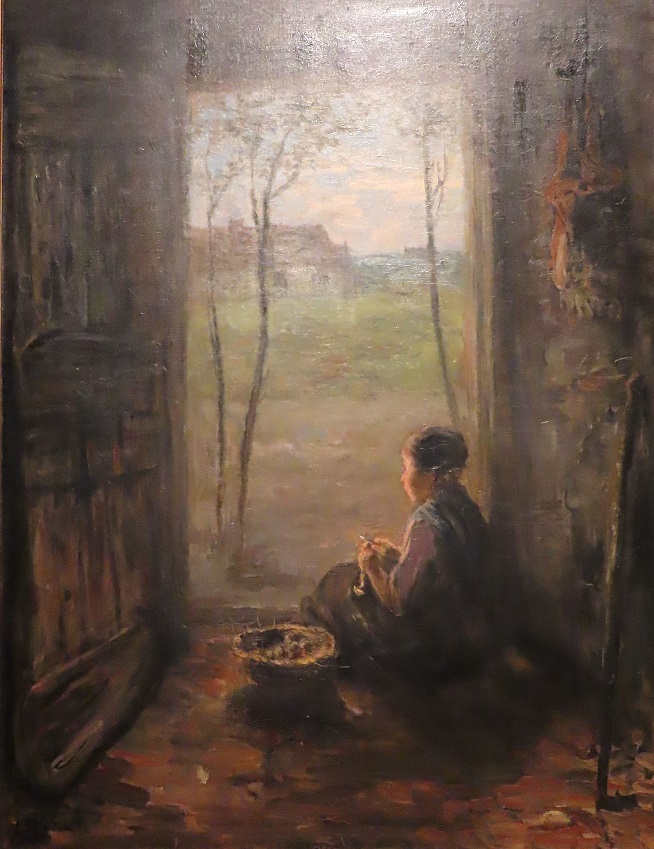
Jozef Israëls, Laren scene, 1905, A girl peeling potatoes in a doorway in Laren. Rijksmuseum Amsterdam.