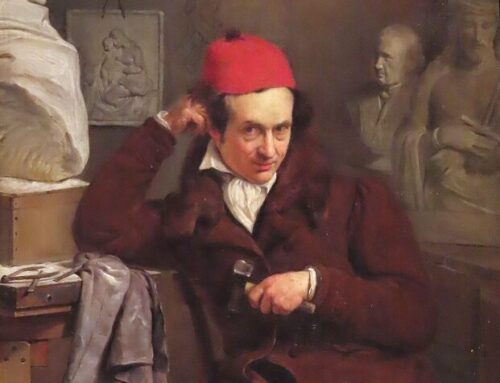
The Rijksmuseum in Amsterdam houses breathtaking treasures from the period before the seventeenth century – the period that generally is considered the peak of the development of painting in the Netherlands and regarded as a glorious era in which Dutch art flourished like never before. This guided museum tour takes you to beautiful works of art that were created in the centuries before, in the Middle Ages and the Renaissance. Skilled sculptors made touching pieces, often from wood. When they worked with stone, the works were often intended for the decoration of religious buildings, like the cathedral (Dom) of Utrecht as one of the major construction projects of its time. Magnificent altar pieces in beautiful colors also adorned churches and monasteries. Civilians, too, ordered artworks, to be used for private worshiping in their houses. Some of them even were self-assured (and prosperous) enough to have their own portraits painted.
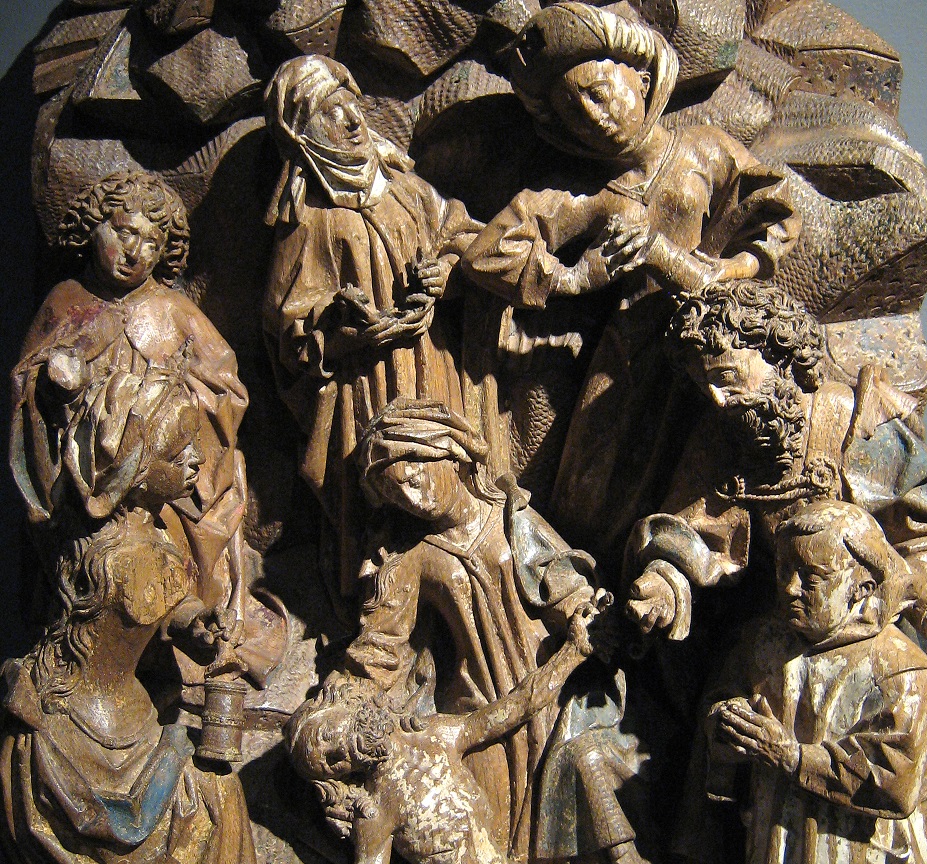
This Lamentation of Christ from around 1480 is by the hand of Arnt van Zwolle, also known as Arnt Beeldensnijder (“Image Carver” or “Sculptor”) and Arnt of Kalkar.
In the 16th century, Dutch artists got to know new artistic developments in Italy – a period that we call Renaissance. In southern Italy, this era of renewal of the arts flourished earlier than it did in the north. But also northern artists soon were captivated by the innovations that were put into practice in by Italian artists. Some Dutch painters even traveled south themselves and brought back home first-hand experience. Like Jan van Scorel, one of the most important Renaissance painters of the Netherlands, who was active in Utrecht most of his lifetime. The painter and engraver Lucas van Leyden was fascinated by the work of German Renaissance artist Albrecht Dürer. And he himself became one of the leading figures for Renaissance art in the Netherlands.

Mary Magdalene, detail of a painting by Jan van Scorel from around 1530, Rijksmuseum Amsterdam
This once so rich and prospering era of the arts in Holland ended with the iconoclasm. Many sculptures and paintings fell prey to fanatics (and looters). In churches and monasteries, they destroyed the Roman catholic pictorial artworks so detested by them, when the reformation and Protestantism found growing numbers of followers. Traces of this vandalism can also be spotted in a few objects in the Rijksmuseum, which brings us quite close to this part of Dutch history.
Guided tour along fascinating works of art in the Rijksmuseum
During this museum tour we will experience how skillful artists mastered their brushes and chisels in the Middle Ages and the Renaissance. The pictorial traditions they worked with often include rich symbolism that sometimes can only be deciphered with patient detective work. You will see the solutions painters and sculptors found in those ages to cope with the artistic challenges of their days. And what exceptional quality they managed to achieve with their efforts.
These guided museum tours take place in small groups of 1 to 12 participants.
Combine this period of art with a guided museum tour along highlights of the seventeenth century in the Rijksmuseum in Amsterdam, and choose for a 2 hours combination tour.

Lucas van Leyden, Detail of a painting with the Dance around the Golden Calf, Rijksmuseum in Amsterdam, ca. 1530.